
Early Modern French Legal Memorandum Concerning a Judicial Dispute
Letter
A two-page handwritten French legal memorandum written in secretary script outlining arguments in a judicial dispute during the early seventeenth century.
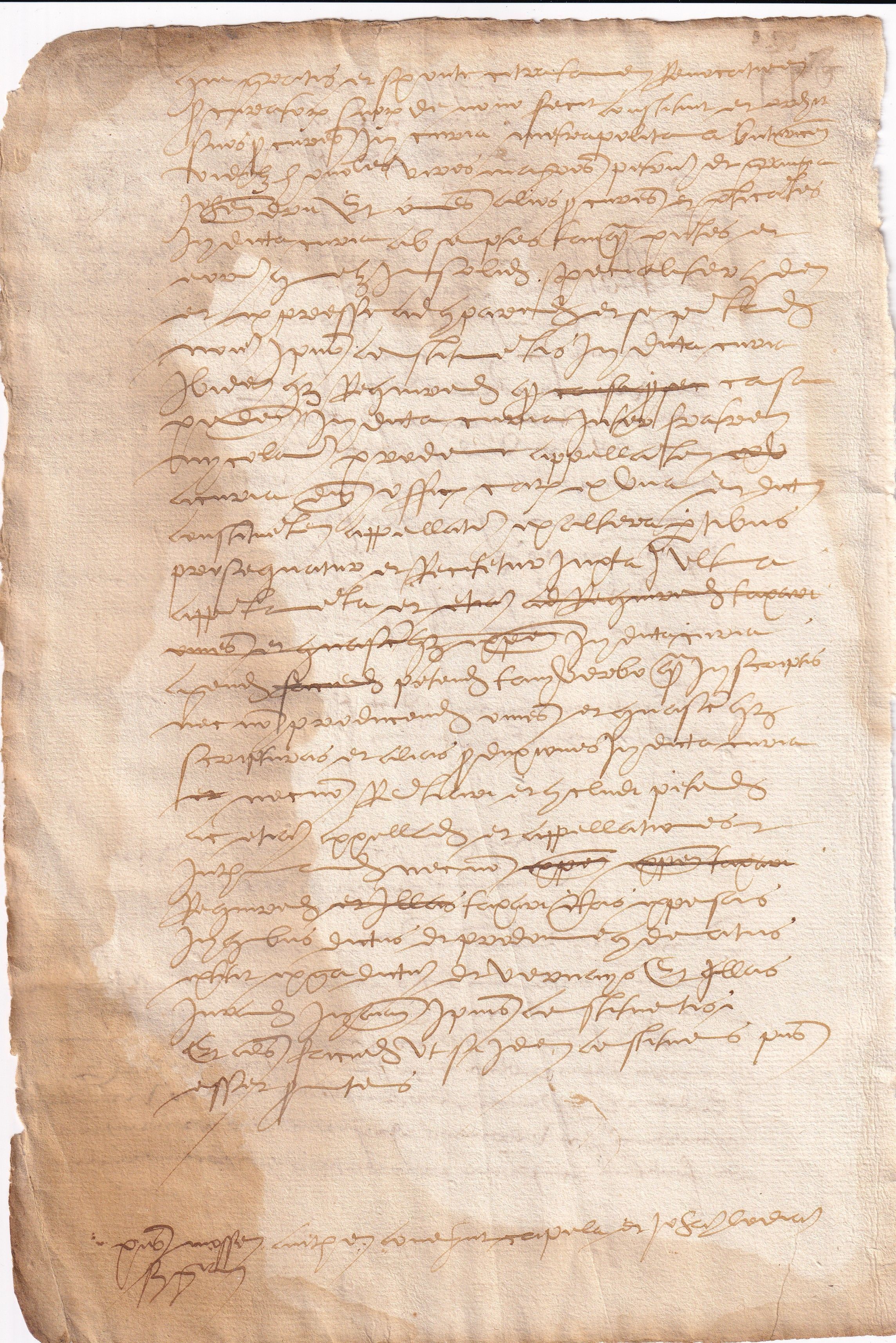
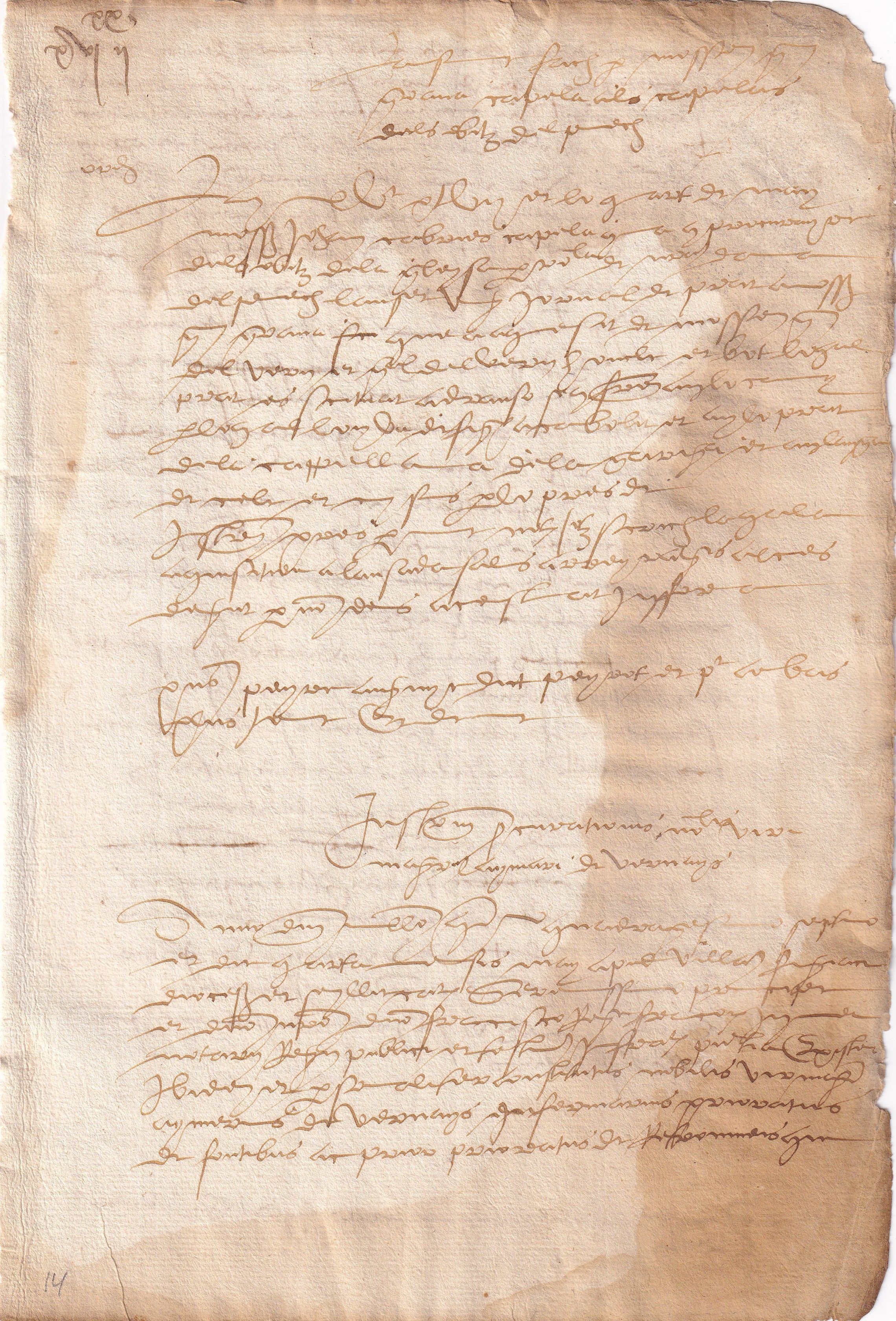
RE-LE-1547-0018
Legal arguments and statements presented in connection with a judicial proceeding involving property or contractual obligations.
France
Business & Legal Documents
1547
16th Century
Due to the dense secretary hand, only portions can be confidently rendered: … mémoire et réponse pour le défendeur … … les demandeurs prétendent … … les faits rapportés ne peuvent être admis … … suivant les ordonnances et coutumes … … justice requise selon les formalités du droit … (Large portions remain difficult to read because of the early script style and faded ink.) English Translation (Summary) Memorandum and response submitted on behalf of the defendant. The plaintiffs assert certain claims. The reported facts cannot be accepted as valid. The matter should be judged according to established laws and customary practices. The document requests that justice be rendered according to proper legal procedure
French
This document reflects the legal culture of early modern France, when courts relied heavily on written pleadings submitted by litigants or their legal representatives. Such memoranda summarized the arguments of each side in a dispute and formed an important part of judicial deliberation. The handwriting style—known as French secretary hand—was commonly used by clerks, lawyers, and notaries between the sixteenth and early seventeenth centuries. Documents of this type demonstrate the procedural nature of legal practice in the period, when disputes involving property, debts, inheritance, and contractual obligations were resolved through formal written submissions. The manuscript also illustrates the transition from medieval legal traditions to increasingly standardized judicial systems under the French monarchy.
Description
This manuscript legal memorandum dates to the early seventeenth century and presents arguments related to a judicial dispute in early modern France. Written in secretary script typical of legal clerks of the period, the document outlines claims made by opposing parties and provides a response defending against those accusations. During the sixteenth and seventeenth centuries, French courts relied heavily on written pleadings prepared by advocates and clerks. These documents summarized the facts of a case and referenced legal customs, ordinances, and precedents that guided judicial decision-making. The dense cursive style reflects the professional writing practices of legal officials who produced large volumes of manuscript documentation. As a surviving example of early modern legal writing, the document offers insight into the functioning of French courts and the documentary culture that underpinned the administration of justice prior to the later legal reforms of the seventeenth and eighteenth centuries.