
Victoria Lodge Badge
Object/Artifact
1879
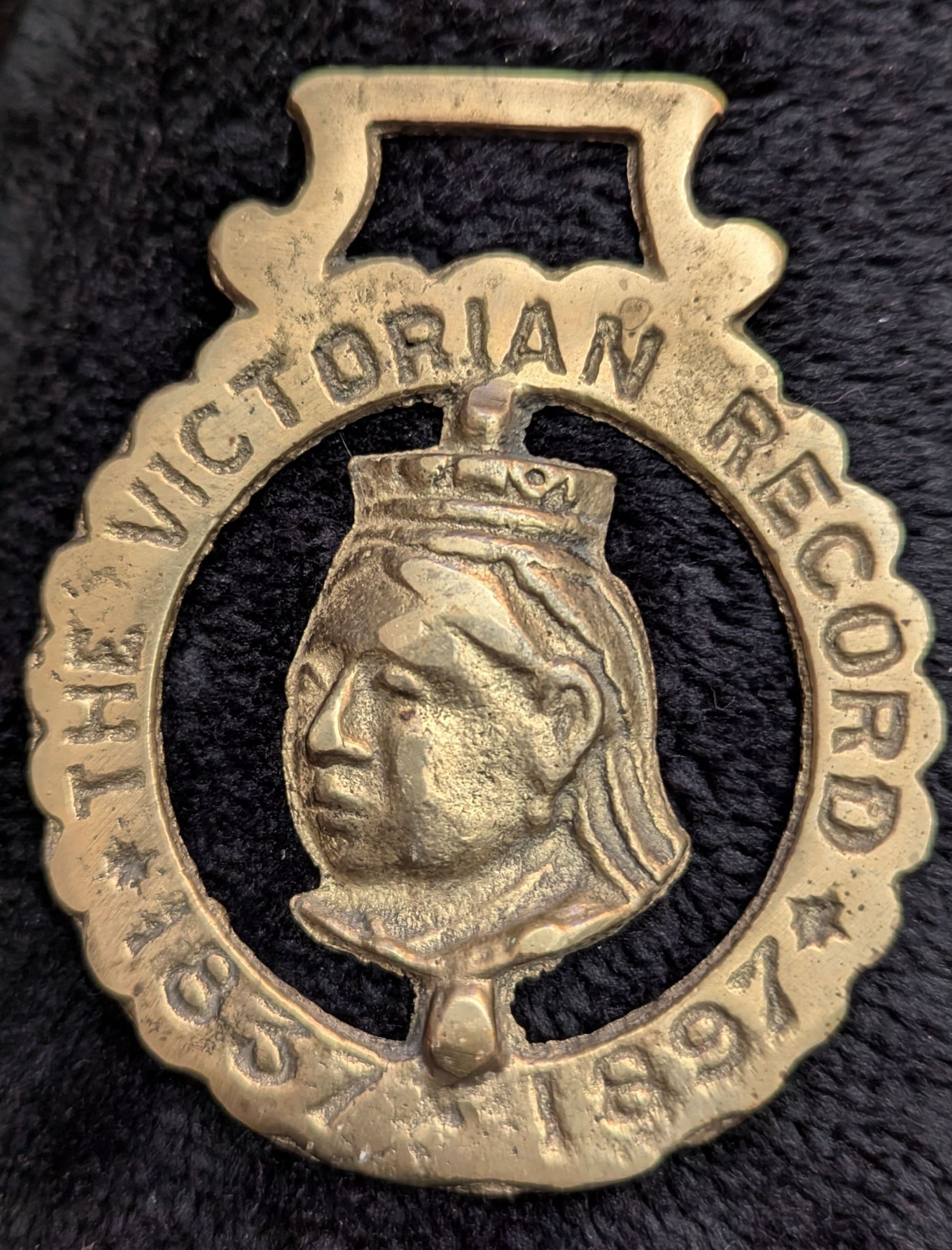
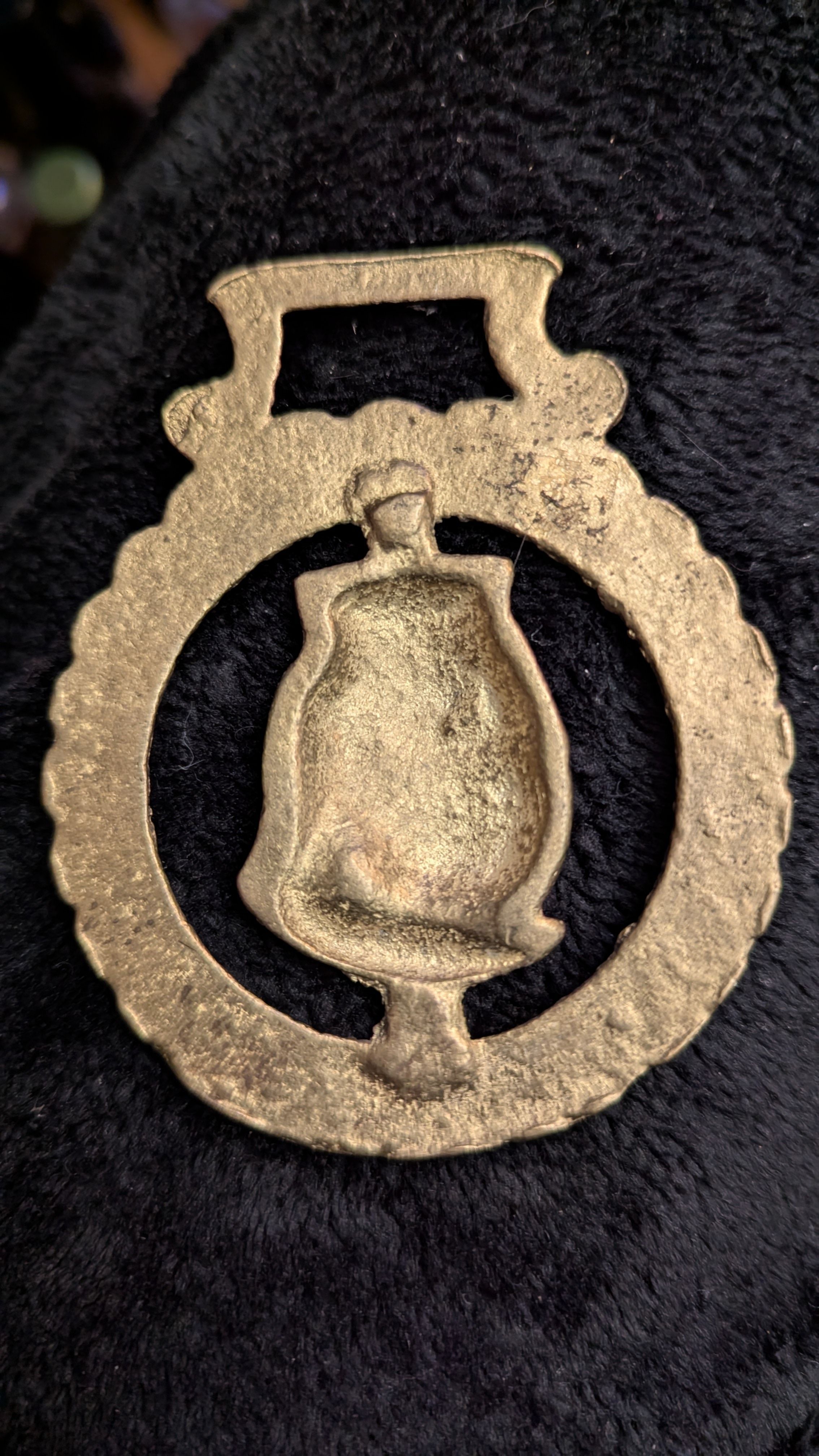
RE-AR-2026-0003
Victorian-era fraternal temperance badge from the Independent Order of Good Templars (I.O.G.T.) Specifically, it is associated with Victoria Record Lodge, a named local lodge within the order.
1880’s
Badge
1879
Victorian
19th Century
England
“I.O.G.T.” – Independent Order of Good Templars “Victoria Record” – the specific lodge name Moral / temperance motto (encouraging sobriety and virtue) Queen Victoria imagery, emphasizing moral authority, stability, and reform The Good Templars were not just social — they were deeply involved in: Anti-alcohol activism Education
Brass
Cast brass (or bronze), typical of I.O.G.T. badges Originally darkened / patinated, not meant to be shiny Designed to be worn on a ribbon, sash, or parade regalia These were often used during: Lodge meetings Temperance marches Public demonstrations and ceremonies
Brass
Excellent
Jan 22, 2026
Description
This ornate fraternal badge belonged to the Independent Order of Good Templars, a prominent international temperance organization dedicated to the promotion of sobriety, moral reform, and social improvement during the nineteenth century. The badge specifically commemorates Victoria Record Lodge, chartered in 1879, during the height of Victorian-era social activism. The upper bar bears the initials I.O.G.T. flanking a portrait of Queen Victoria, whose image symbolized moral authority, stability, and imperial unity. Suspended below is a richly decorated shield displaying the organization’s emblematic triangle—representing faith, hope, and charity—surrounding tools of moral labor and reform. The enamel banner at the base reads “Dare To Do Right,” the guiding motto of the Good Templars. Badges such as this were worn during lodge meetings, ceremonial processions, and public temperance demonstrations. The craftsmanship and symbolism reflect the movement’s seriousness of purpose and its role in shaping late-Victorian moral and civic life. Notably, the I.O.G.T. was progressive for its time, allowing women to participate as full members and officers. This badge stands as a tangible artifact of nineteenth-century reform culture, illustrating how fraternal societies used ritual, symbolism, and public display to advocate for social change.