
Family Letter from Dönkendorf near Fehmarn – June 4, 1888
Letter
A multi-page handwritten German family letter dated June 4, 1888 from Dönkendorf near Fehmarn in Schleswig-Holstein, Germany, discussing family matters, financial concerns, and personal news among relatives.
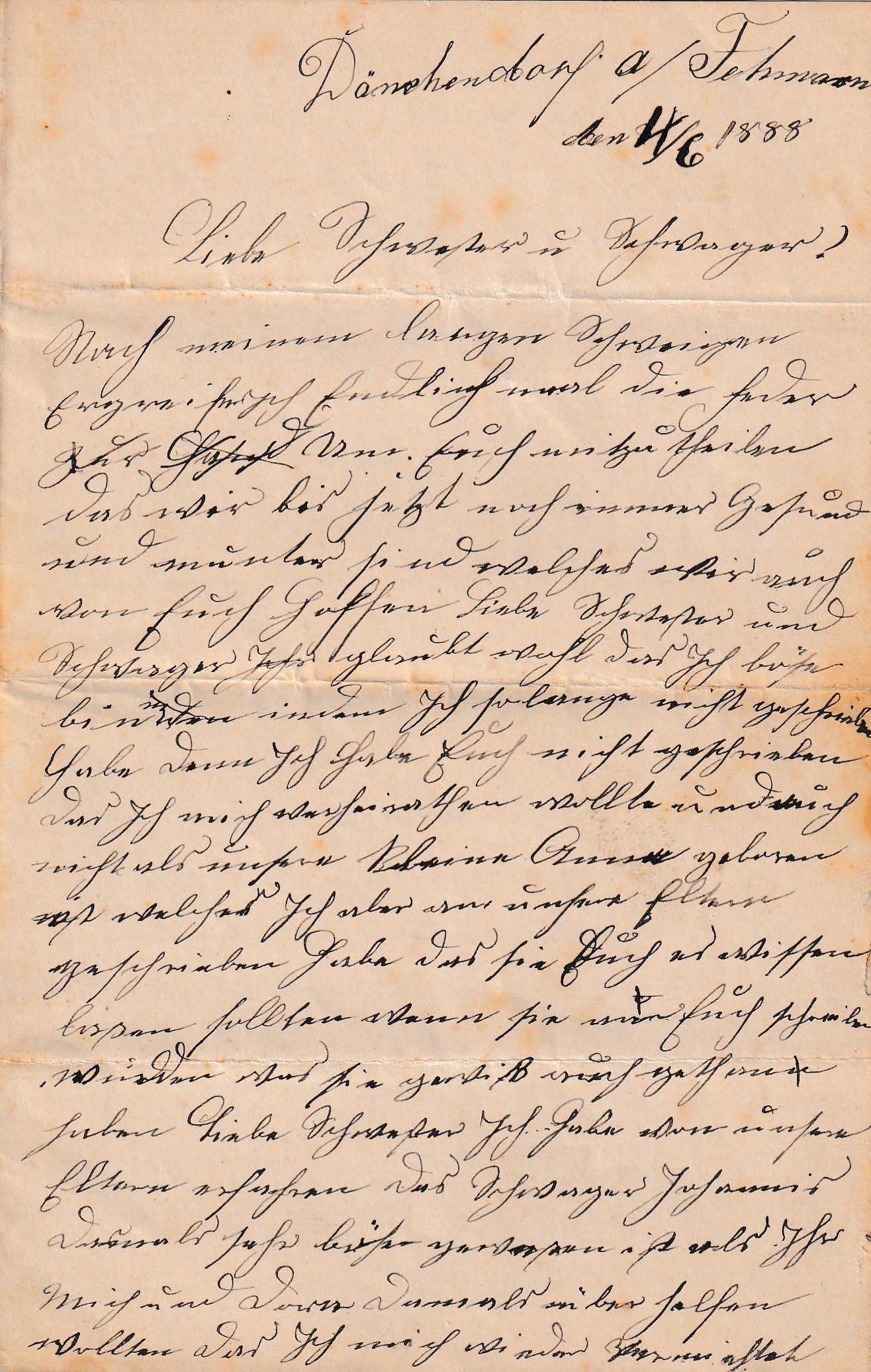
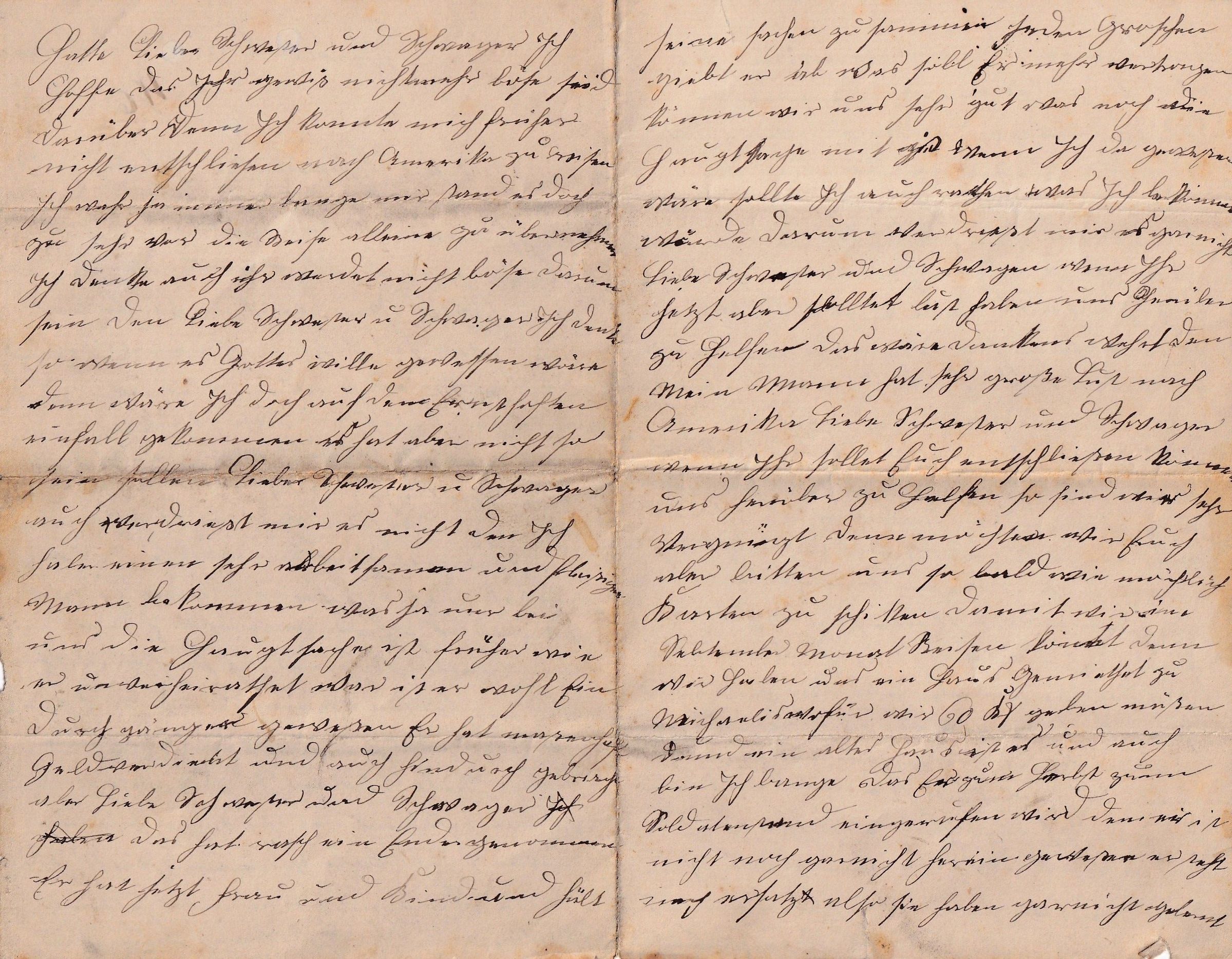
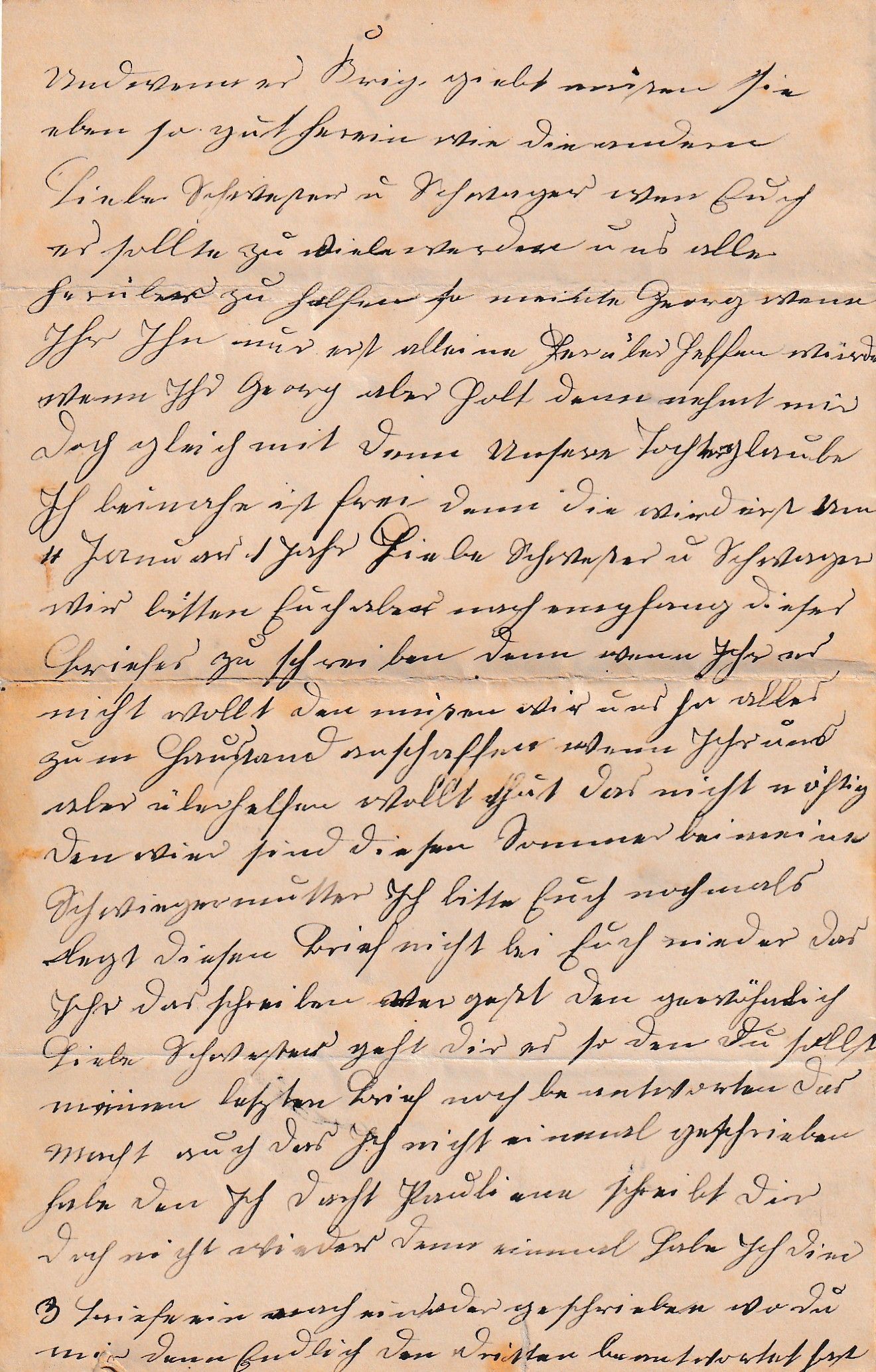
RE-LE-1888-0044
Family correspondence, finances, and household affairs
Germany
Europe
Personal Correspondence Letters
Jun 4, 1888
19th Century
Dönkendorf near Fehmarn June 4, 1888 Dear Cousin and Cousin’s Wife, Your letter has reached us and we were glad to hear from you again. It is always comforting when we receive news and learn how things are going with you. Here we are continuing with our usual work and responsibilities. There is always much to do and sometimes the burdens feel heavy, but we do what we can. The household keeps us occupied and the expenses are not always easy to manage. Still, we try to arrange things as best we can and trust that matters will improve with time. We often speak about the family and think of you. It would bring us great joy if we could see one another again, although such journeys are not always easy. Please greet all our relatives there and tell them that we remember them often. Write again when you have the opportunity and tell us everything about how you are doing. With heartfelt greetings, Your loving relatives
German
This letter reflects the everyday concerns of rural German families during the late nineteenth century. Family correspondence frequently focused on financial pressures, household responsibilities, and maintaining emotional connections across distance. The tone of the letter suggests a close kinship relationship between the writer and recipient, with emphasis on shared responsibilities and mutual support among relatives. Such letters served as an essential means of sustaining extended family networks during a time when travel between towns was relatively difficult and communication depended entirely on written correspondence.
Historical Note
Dönkendorf is a small rural settlement in the region of Schleswig-Holstein near the island of Fehmarn, located along the Baltic coast of northern Germany. During the late nineteenth century the region was part of the German Empire (established 1871). Rural communities in this area were primarily agricultural, with family households managing farms and local trades. The handwriting is German Kurrent, the standard cursive used in German-speaking regions during the 19th century before the later adoption of Sütterlin script in the early 20th century. Letters of this kind were commonly folded and sealed for mailing prior to the widespread use of envelopes.